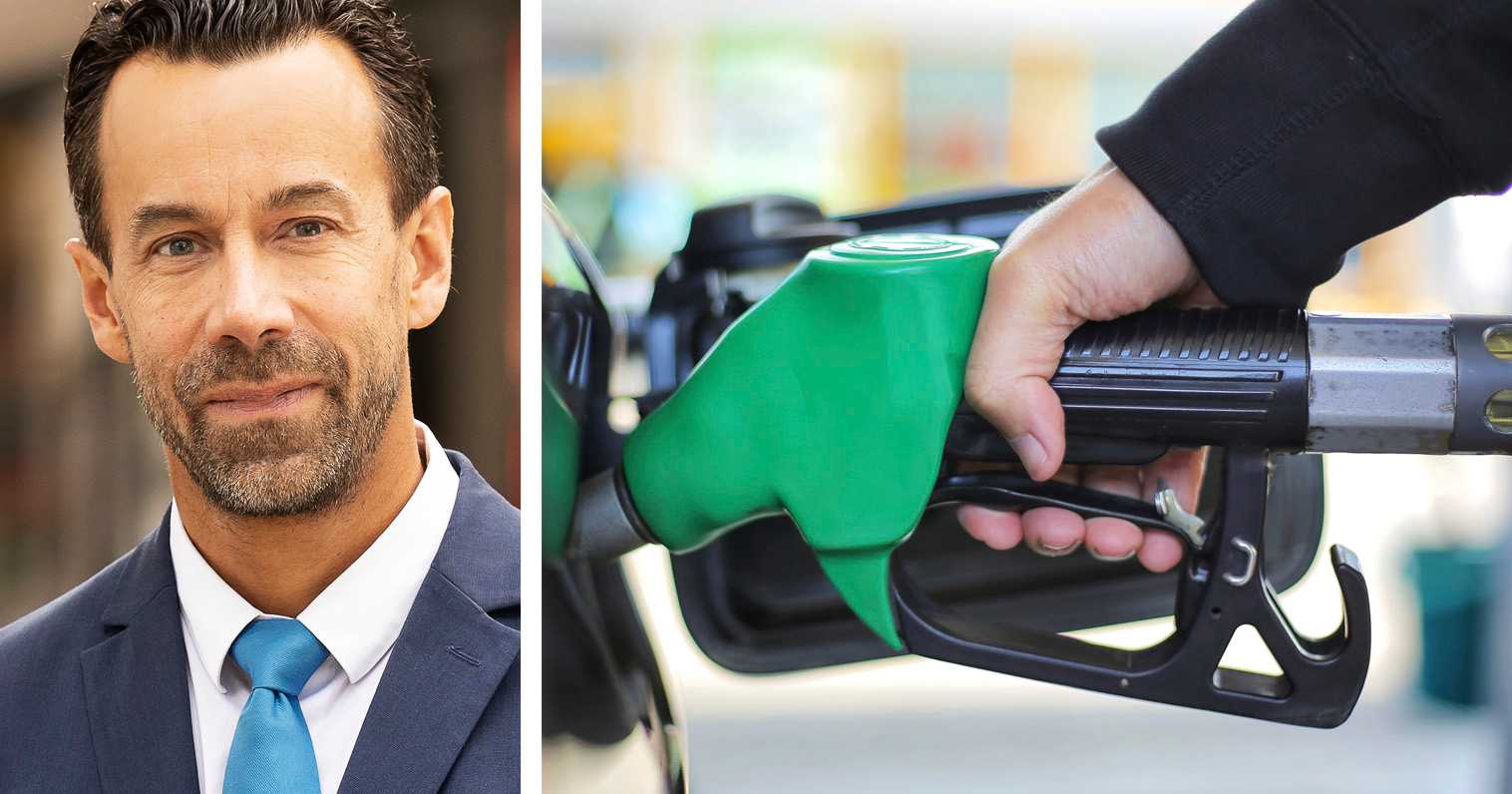
Understanding Swedish Diesel Prices Today: What You Pay at the Pump
For anyone driving in Sweden, whether for daily commutes, long-haul logistics, or holiday road trips, the question "Vad kostar dieseln idag?" – or "What does diesel cost today?" – is a constant. The
Dieselpris I Dag, or today's diesel price, is a dynamic figure influenced by a complex interplay of global economic forces, geopolitical events, and specific domestic policies. Understanding these factors is key to anticipating future price movements and making informed choices at the pump.
The year 2022 offered a stark demonstration of this volatility. Initially, diesel prices surged due to Russia's invasion of Ukraine and a robust global economy that fueled demand. While there was a brief respite in July, seeing prices dip to around 23-24 SEK per liter, and a further slight reduction post-summer as crude oil prices retreated, this relief was short-lived. A significant weakening of the Swedish Krona (SEK) against major currencies led to new record highs for diesel in October, effectively negating any global price decreases. This shows that even if the international price of crude oil falls, a weaker domestic currency can still push up local fuel costs.
Generally, the immediate pump price reflects current market conditions, but it's important to remember that these figures are constantly updated. Price changes can occur daily, often around 11:00 AM, though confirmation times can be earlier. While sites like Bensinpriser.nu offer valuable insights into current diesel prices across Sweden, they also highlight the challenge of maintaining real-time accuracy, often relying on user-reported data which is typically removed after seven days if not updated. This dynamic environment means that the
Dieselpris I Dag is truly a fleeting snapshot, making strategic fueling an ongoing consideration for drivers.
The Core Drivers: Global Economy, Geopolitics, and the Swedish Krona
The price you pay for diesel in Sweden is an intricate tapestry woven from global and local threads. At its foundation is the global economy. An increase in worldwide economic activity directly translates to a higher demand for oil. More goods are produced, more services are delivered, and consequently, more transportation is required, leading to an uptick in both crude oil and refined diesel prices. When the global economy is booming, demand outstrips supply, pushing prices upward. Conversely, economic slowdowns often lead to price drops.
Geopolitical events cast a long shadow over the energy market. Russia's war in Ukraine, for example, did not just impact supply lines but also created immense uncertainty, driving up prices as markets reacted to potential disruptions and sanctions. While the immediate shockwaves may subside, ongoing instability in oil-producing regions or major trade routes can keep prices elevated or introduce significant volatility.
However, a crucial domestic factor often overlooked by consumers is the strength of the Swedish Krona (SEK). Crude oil, the primary input for diesel, is priced in US dollars on international markets. This means that even if the global price of crude oil remains stable or declines, a weaker SEK makes it more expensive for Swedish importers to purchase that same oil. For instance, if crude oil costs $80 a barrel, and the SEK weakens from 9 SEK/USD to 11 SEK/USD, the cost in Swedish Kronor for that barrel increases substantially, directly translating to higher pump prices for Swedish consumers. This currency effect can often counteract positive global trends, keeping the
Dieselpris I Dag stubbornly high in Sweden.
Unpacking the Price Tag: Taxes and the Reduktionsplikt
When you fill your tank in Sweden, approximately one-third of the price at the pump goes directly to taxes. This significant portion includes several components:
- Value Added Tax (Moms): Applied to the product cost itself.
- Energy Tax (Energiskatt): A specific tax on energy consumption.
- Carbon Dioxide Tax (Koldioxidskatt): Designed to incentivize lower carbon emissions.
- VAT on Taxes: Importantly, VAT is also applied to both the Energy Tax and the CO2 Tax, further increasing the overall tax burden.
To illustrate, if the pump price for diesel is 23 SEK, the actual cost of the diesel product itself before taxes might be around 15 SEK. The remaining 8 SEK, or about 35%, is comprised of these various taxes.
Recognizing the strain of high fuel costs, the Swedish Parliament temporarily reduced the energy tax on diesel by 1.05 SEK per liter (equivalent to approximately 1.30 SEK including VAT). This measure was in effect from May 1st to September 30th. Drivers were therefore encouraged to
prepare for an October price hike, as the expiration of this temporary relief on October 1st was expected to cause diesel prices to rise by around 1.30 SEK per liter.
Another critical factor influencing Swedish diesel prices is the
Reduktionsplikt, or Reduction Obligation. This mandate requires fuel sold in Sweden to contain a high proportion of biofuel for environmental reasons. Currently, about 30.5% of diesel consists of biofuel, which helps reduce fossil carbon dioxide emissions. While generally supported for its environmental benefits, the Reduktionsplikt has faced criticism for significantly driving up fuel costs, as biofuels are considerably more expensive than traditional fossil diesel. This issue became a central topic in the run-up to the 2022 Swedish election, with right-wing parties generally advocating for pausing or reducing the Reduktionsplikt to lower diesel prices, while left-wing parties favored maintaining it to uphold climate goals. The debate surrounding this mandate and its future is complex; learn more by exploring
Biofuel Debate & Diesel Costs: Unpacking Sweden's Reduktionsplikt.
Navigating the Market: Tips for Consumers and Future Outlook
Given the intricate factors at play, how can Swedish drivers best navigate the fluctuating
Dieselpris I Dag? Here are some practical tips:
- Monitor Price Changes: Keep an eye on local and national fuel price updates. While websites might not always be perfectly real-time, they offer a good general indication. Prices often adjust around 11:00 AM, so checking after this time can give you the most current figures.
- Utilize Unmanned Stations: Many fuel companies operate "low-cost" or unmanned stations (e.g., Shell Express for Shell, F24 for Q8). These often offer slightly lower prices than their full-service counterparts.
- Fill Up Strategically: If government tax changes or market shifts are announced, try to time your refueling accordingly. For example, before the temporary energy tax reduction expired, filling up before October 1st was a smart move.
- Drive Efficiently: While not directly impacting the price per liter, adopting fuel-efficient driving habits (smooth acceleration, maintaining steady speeds, proper tire pressure) can significantly reduce your overall fuel consumption and cost.
Looking ahead, the future outlook for Swedish diesel prices remains tied to a confluence of global and domestic developments. Globally, factors such as geopolitical stability, the pace of global economic recovery, and decisions by major oil-producing nations (like OPEC+) will continue to dictate crude oil prices. Domestically, the strength of the Swedish Krona will remain a critical variable; a stronger SEK would help mitigate some of the global price pressures, while continued weakness could keep pump prices elevated.
Furthermore, future government policy decisions regarding the Reduktionsplikt will significantly influence the cost structure of diesel. Any moves to reduce or increase the biofuel blending mandate could have immediate effects on prices. Similarly, potential changes to other fuel taxes or new environmental regulations could reshape the market. The drive towards electrification and alternative fuels will also slowly but surely impact demand for diesel in the long term, though conventional diesel will remain crucial for transport and heavy machinery for the foreseeable future.
In conclusion, the
Dieselpris I Dag in Sweden is far more than just a number; it's a reflection of complex global economics, geopolitical tensions, and specific national energy and environmental policies. For Swedish drivers, staying informed about these interconnected factors is essential, not just for managing immediate costs but also for understanding the broader trends shaping the future of fuel in the country.